

 TR
 DE
 IT
 NL
 FR
 RU
 AZ
Guide · · 6 min read
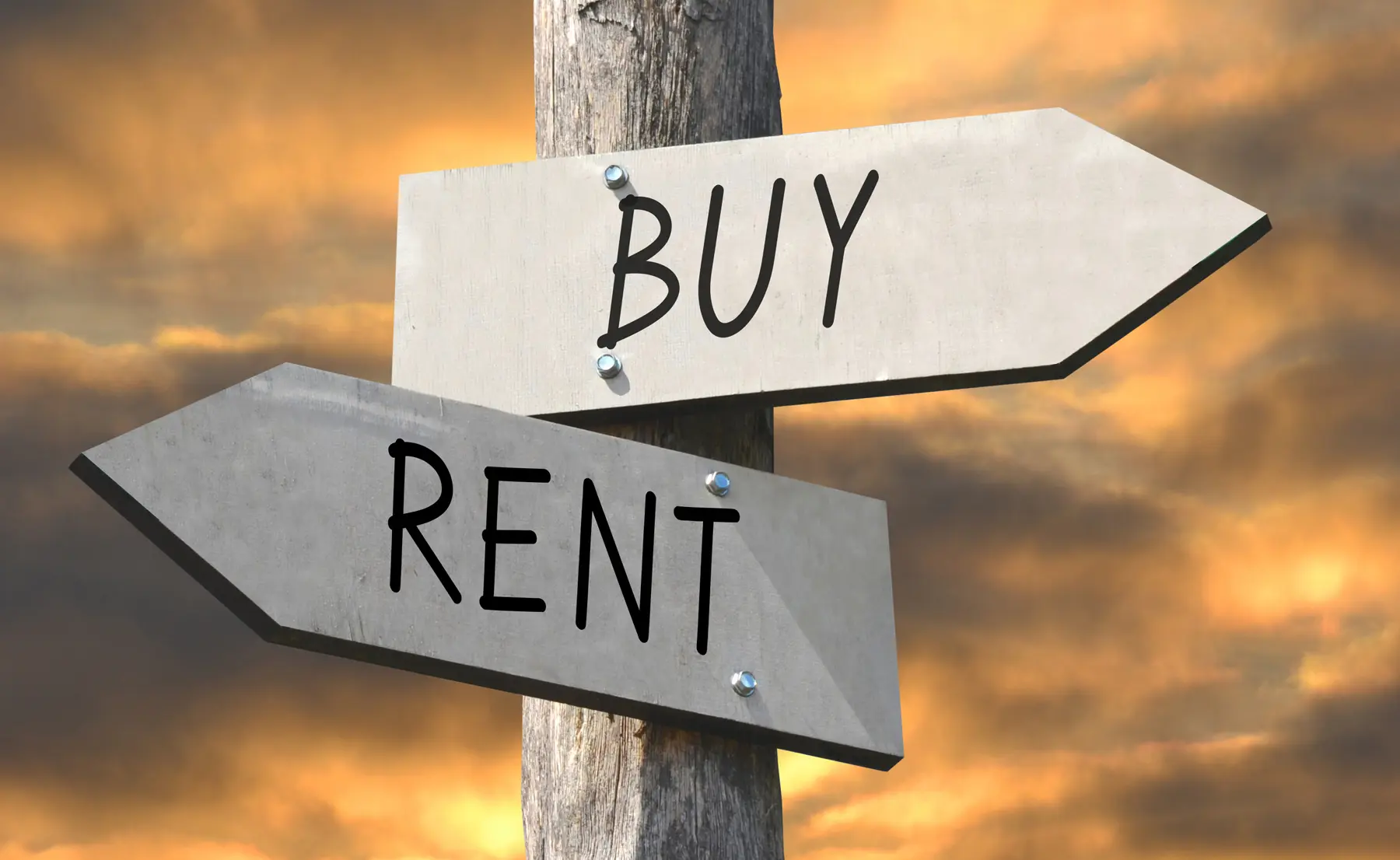
Which financial model is right for your industrial cooling needs? Purchasing offers predictable costs over the long term, while renting provides flexibility, low upfront investment, and the advantage of maintenance-inclusive service. In this article, we compare the cost structures and advantages of both models, and identify which option stands out in which scenario.
Summary: Which financial model is right for your industrial cooling needs? Purchasing offers predictable costs over the long term, while renting provides flexibility, low upfront investment, and the advantage of maintenance-inclusive service. In this article, we compare the cost structures and advantages of both models, and identify which option stands out in which scenario.
Framing the Question Correctly
"Rent or buy?" is a strategic decision with no single correct answer. The right choice depends on duration of use, budget structure, in-house technical capacity, and the business's need for flexibility. Each model has scenarios where it clearly outperforms the other.
Making the right call requires first understanding the true cost structure of both models. Because the option that appears "cheaper" at first glance can prove more expensive over time once costs excluded from the total cost of ownership (TCO) calculation are factored in.
Total Cost Comparison
Making the right decision requires seeing all cost items — not just the purchase price:
| Cost Item | Purchase | Rental |
|---|---|---|
| Initial investment | High (full equipment cost) | Low or zero |
| Installation and commissioning | Paid separately | Typically included |
| Periodic maintenance | Paid separately or in-house | Typically included |
| Breakdown repairs | Operating expense (variable) | Rental company's responsibility |
| Technology obsolescence | Borne by the business | Borne by rental company |
| Storage and logistics | Business responsibility | Rental company responsibility |
| Cost during idle periods | Capital remains tied up | Payment only during use |
6 Scenarios Where Renting Wins
- ❄ Temporary or seasonal need: Tying up capital for 12 months to meet a cooling need that only arises during certain periods of the year makes no financial sense. Rental means paying only for the time the equipment is actually used.
- ❄ Backup and emergency requirement: For standby equipment that must be activated quickly when the primary system fails or enters maintenance, rental delivers readiness at a fraction of the cost of ownership.
- ❄ Project-based and construction phases: For cooling solutions needed only until a specific project is completed, rental is both flexible and cost-effective.
- ❄ Cash flow and budget constraints: For businesses unable to commit to a high upfront investment or wishing to direct capital towards other priorities, rental offers an operating expenditure (OpEx) model.
- ❄ Limited in-house technical capacity: For businesses without qualified maintenance personnel on staff, rental transfers the maintenance and service obligation entirely to the provider.
- ❄ Rapidly changing capacity requirements: For businesses whose production volumes, organisational size, or space usage is in constant flux, rental makes it easy to scale capacity up or down.
4 Scenarios Where Buying Wins
- ❄ Continuous and long-term use: For a system that will run 24/7, 365 days a year, purchasing may be more advantageous from a total cost perspective over the long run. As a rule of thumb, ownership should be considered when uninterrupted use is planned for more than three years.
- ❄ Strong in-house technical capacity: For large facilities with a competent in-house maintenance team, the maintenance-inclusive advantage of rental is less decisive.
- ❄ Customised infrastructure requirements: Where bespoke pipework, dedicated electrical infrastructure, or building-integrated solutions are required, purchasing and permanent installation may be more appropriate.
- ❄ Depreciation and tax advantage: For certain businesses, capital equipment investment can generate a tax advantage through depreciation — shifting the financial balance in favour of purchasing.
Decision Framework: Questions You Should Ask
- → How many months or years will you be using this equipment?
- → Is the use continuous, or seasonal?
- → Do you have an in-house technical team for maintenance and servicing?
- → Do you have a priority to direct capital towards other investments?
- → Will the capacity you need change in the future?
- → Is rapid deployment and flexibility your top priority?
If the majority of your answers to these questions point towards rental, choosing the rental model is the smarter decision — both financially and operationally.
💡 Pro Tip: Before deciding between renting and buying, run a three-year total cost comparison. To the purchase price, add installation, an annual maintenance contract, potential repair costs, and the risk of technology obsolescence. For rental, calculate the total rental cost over three years. This comparison frequently produces surprising results.
With Coldora, Both Options Are on the Table
At Coldora, we don't just offer rental — we provide a genuine solution recommendation based on needs analysis. By evaluating your usage duration, budget structure, and operational requirements together, we identify the model that works best for you. Rent, buy, or a combination of both? Let's decide together.