

 TR
 DE
 IT
 NL
 FR
 RU
 AZ
Technical · · 6 min read
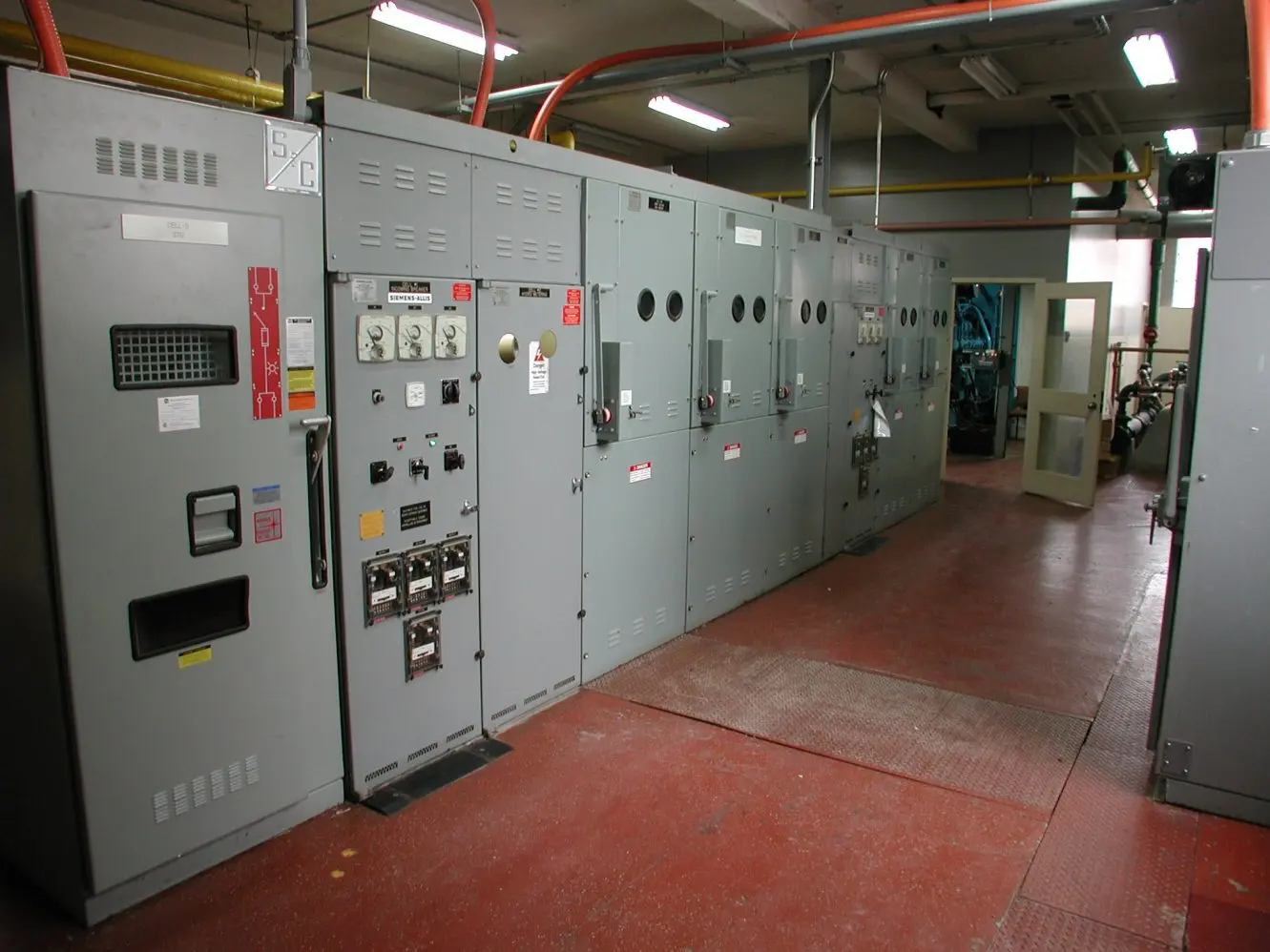
Server rooms and electrical panel enclosures are critical infrastructure points that require uninterrupted cooling. The absence of a redundancy plan to activate when the primary cooling system fails can lead to equipment damage, data loss, and operational downtime. In this article, we cover why backup cooling is essential, which scenarios require planning, and the role mobile cooling solutions play in this process.
Summary: Server rooms and electrical panel enclosures are critical infrastructure points that require uninterrupted cooling. The absence of a redundancy plan to activate when the primary cooling system fails can lead to equipment damage, data loss, and operational downtime. In this article, we cover why backup cooling is essential, which scenarios require planning, and the role mobile cooling solutions play in this process.
Why Backup Cooling Is Non-Negotiable
Server rooms and electrical panel enclosures are the digital and electrical nerve centres of any building. Servers, network equipment, UPS systems, and high-voltage switchgear generate continuous heat throughout their operation. Every minute that heat is not dissipated, equipment temperatures edge closer to critical thresholds.
Industry data tells a consistent story: a significant proportion of data centre outages trace back to cooling system inadequacy or failure. Yet the vast majority of these interruptions are entirely preventable with a ready and well-rehearsed redundancy plan.
Risk Scenarios: When Is Backup Cooling Required?
The scenarios that trigger the need for backup cooling are not limited to sudden failures. Preparedness is required for all types of interruption — planned and unplanned alike:
- ❄ Sudden failure of the primary AC unit: Compressor, fan, or electronic control failures give no advance warning. The backup system must activate immediately — not after a technician arrives.
- ❄ Planned maintenance and overhaul periods: Periodic servicing carried out once or twice a year requires the system to be shut down. Cooling continuity must be maintained throughout.
- ❄ Extreme heat periods: Outdoor temperatures that exceed the design capacity of the existing system may require supplementary cooling.
- ❄ Capacity expansion and transition periods: Adding new servers or equipment can render the existing cooling system inadequate. Temporary support is essential until the permanent solution is commissioned.
- ❄ Construction and refurbishment works: During building renovation or infrastructure projects, access to the existing HVAC system may be interrupted.
- ❄ Natural disasters and unforeseen events: During temporary recovery periods following flooding, fire, earthquakes, or extended power outages, cooling continuity must be maintained.
The 5 Core Components of a Redundancy Plan
- 1 Heat load inventory: The heat generated by all equipment in the room must be documented, and total cooling requirements clearly defined.
- 2 Defining the N+1 or 2N redundancy standard: Depending on the criticality level, at least one backup unit (N+1) or full redundancy (2N) must be planned.
- 3 Rapid activation procedure: The conditions under which the backup system is activated, who activates it, and how must be defined in writing and known by all relevant personnel.
- 4 Temperature monitoring and alarm system: Room temperature must be continuously monitored, with automatic alarm and notification mechanisms triggered whenever a defined threshold is exceeded.
- 5 Regular drills and testing: The backup system's actual functionality must be verified at least once a year through a simulated failure scenario.
Mobile Cooling: The Fastest Backup Option
While fixed backup units are the ideal solution, the existing infrastructure at many facilities does not always make this feasible. Mobile precision cooling units are the most practical way to bridge this gap.
| Feature | Fixed Backup Unit | Mobile Rental Unit |
|---|---|---|
| Deployment time | Weeks (installation required) | 2–4 hours |
| Capital cost | High (purchase) | Low (rental) |
| Flexibility | Fixed location | Portable, location-independent |
| Infrastructure requirement | Pipework, electrical installation | Standard power outlet only |
| Technical support | Separate contract required | Included in rental package |
Special Considerations for Electrical Rooms
Electrical panel rooms and transformer enclosures have different safety requirements from server rooms. The following factors are critical when selecting a cooling solution for these environments:
- ❄ IP protection rating: Cooling equipment used in electrical rooms must carry the appropriate IP (Ingress Protection) rating to prevent risks from dust and moisture ingress.
- ❄ Spark risk: AC units deployed in electrical rooms may need to be ATEX-certified or spark-safe by design.
- ❄ Humidity control: The cooling system must not generate excessive moisture; condensation and corrosion risk must be minimised.
- ❄ Exhaust air routing: The direction of hot air discharge must be carefully planned — exhaust must not be directed towards adjacent areas or access openings.
💡 Pro Tip: Treat your backup cooling plan not merely as a contingency for "when things go wrong," but as an operational standard that also covers routine maintenance periods. This approach extends equipment lifespan and makes it easier to meet insurance and compliance requirements.
Uninterrupted Cooling Assurance with Coldora
At Coldora, we provide rapidly deployable mobile cooling solutions for server room and electrical room redundancy needs. With our 24/7 emergency response capability, extensive equipment fleet, and experienced technical team, we ensure your cooling continuity remains uninterrupted — whether your primary system has failed or entered scheduled maintenance. We are here to help you build your redundancy plan and to be by your side whenever you need us.